

Rupee Nears 90: Should You Load Up on IT, Pharma, or Metal Stocks Before the India–US Trade Deal?

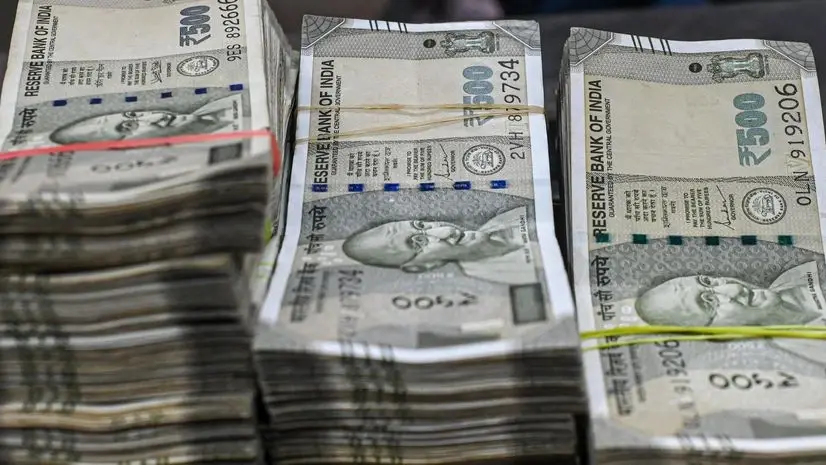
The Indian Rupee’s slide toward the 90-per-dollar mark has turned the currency market into a pressure cooker, especially with the India–US trade deal showing little visible progress. As the rupee weakens, companies earning in dollars naturally get a boost, which is why investors are eyeing export-driven sectors like IT, pharma, and metals. But the situation is far from straightforward, with both countries keen to push the trade agreement forward and the US Federal Reserve widely expected to cut rates next month.
Market analysts say the currency movement does create opportunities — but only for those who choose their bets carefully. Santosh Meena of Swastika Investmart explains that the rupee’s fall gives exporters immediate breathing room through better margins, yet the bigger story lies in global economic shifts. If a Fed rate cut does arrive, tech spending could revive, metal prices may strengthen, and global risk appetite could improve. In that scenario, beaten-down valuations in export-heavy pockets might turn more attractive.
But treating every exporter as a winning trade just because the rupee is weakening is a mistake. Sachin Jasuja of Centricity WealthTech points out that while sectors like IT gain cleanly from a stronger dollar, others have complications. Pharma companies often import raw materials in dollars, which means part of the benefit gets wiped out. Metal producers depend heavily on global demand cycles, and if commodity prices soften, a weaker rupee won’t save their earnings. Even buyers abroad sometimes demand price cuts when a supplier’s currency falls, limiting the upside for exporters.
The result is a market where selectivity matters more than ever. For pharma, the advantage only flows to players with a large export base and low import bills. For metals, the rupee is merely a side note compared to what the US, China, and global commodity cycles are doing. And for IT, the trend remains the cleanest: strong dollar revenue, mostly rupee costs, and demand that could rebound if global central banks ease policies.
Experts say the smarter strategy is to treat rupee weakness as a signal, not a shortcut. Investors should focus on companies already showing healthy revenue growth, stable profitability, and clear management guidance. Understanding their exposure to dollar earnings, their import costs, their ability to raise prices, and how they hedge currency swings will matter far more than the exchange rate alone. In a market full of noise, disciplined stock selection — not a blanket bet on exporters — is what leads to real wealth creation.


Comments