

US Trade Policies Spark Global Market Jitters
- wealnare
- Jul 21, 2025
- 1 min read

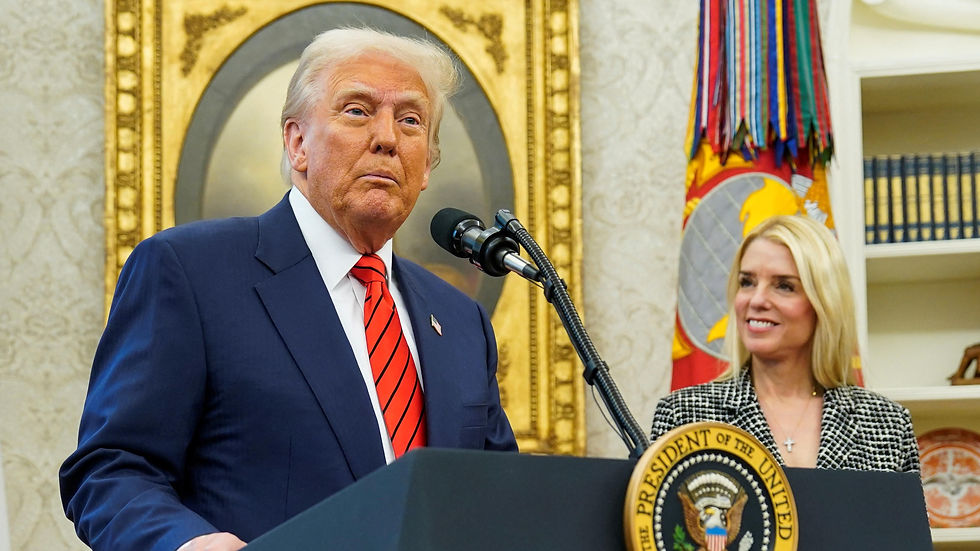
The United States’ evolving trade policies under the new administration are sending shockwaves through global markets, as proposed tariffs and restrictions threaten to reshape international commerce. With the US signaling a tougher stance on imports from key trading partners like India and China, businesses are bracing for increased costs and supply chain disruptions. The administration’s focus on domestic manufacturing has led to measures like a proposed 1% remittance tax, which could impact foreign students and workers, particularly from India, and strain bilateral economic ties. These policies aim to bolster US industries but risk escalating trade tensions, potentially triggering retaliatory measures from affected nations.
For global corporations, the uncertainty is prompting a reevaluation of supply chain strategies, with many exploring nearshoring options to reduce reliance on Asian manufacturing hubs. The aviation sector, for instance, is feeling the pinch, with restrictions on Mexican flights threatening partnerships like Delta-Aeromexico. Meanwhile, US-based tech firms are doubling down on AI and semiconductor investments to maintain a competitive edge, even as trade barriers complicate access to critical components. The interplay of protectionism and innovation is creating a complex landscape for businesses navigating these changes.
The broader implications for the global economy are significant, with emerging markets like India facing potential export challenges. However, opportunities may arise for countries that can position themselves as alternative manufacturing hubs. As the US refines its trade strategy, the global business community is watching closely, with companies urged to adopt agile strategies to mitigate risks. The coming months will be critical in determining whether these policies foster domestic growth or spark a broader trade conflict, reshaping the global economic order.


Comments